
Introduction to Classroom 15x
The concept of Classroom 15x represents a significant evolution in educational design and teaching methodologies, addressing the multifaceted needs of modern learners. This innovative model emerged from a longstanding recognition that traditional classroom setups often fail to engage students fully or cater to diverse learning styles. As education has progressed, the necessity for adaptable and dynamic environments became paramount. The Classroom 15x model responds to this need, incorporating elements of flexibility, technology integration, and collaborative learning.
The historical context of classroom design reveals a trajectory marked by an increasing understanding of how physical and pedagogical environments influence learning outcomes. Early classrooms were predominantly teacher-centered, with desks arranged in rows, limiting interaction and engagement among students. Over time, educational theorists and practitioners began to advocate for more interactive spaces that promote student participation and collaboration. This shift laid the groundwork for the development of the Classroom 15x model, which emphasizes active learning and the role of the educator as a facilitator rather than a mere instructor.
In today’s educational landscape, the significance of Classroom 15x is more pronounced than ever. As technology continues to permeate all aspects of life, incorporating digital tools in the learning process has become essential. The Classroom 15x framework supports this by fostering an environment where technology enhances learning experiences and encourages exploration. Furthermore, this approach aligns with current pedagogical trends prioritizing student agency and personalized learning pathways. In this context, Classroom 15x stands as a forward-thinking paradigm, instrumental in preparing students for the complexities of the contemporary world.
Historical Background and Comparisons of Classroom Designs
The evolution of classroom designs has significantly shaped the educational landscape over the years. Traditional classrooms, characterized by a teacher-centric model, often featured rows of desks arranged facing a blackboard. This design emphasized rote learning and passive participation, which hindered student engagement and collaboration. As education theories evolved, so too did the need for a more dynamic environment conducive to learning. The traditional model gradually transitioned to more interactive setups, showcasing the initial steps toward innovative educational practices.
One critical milestone in this evolution was the introduction of open classroom concepts in the 1960s. These designs aimed to facilitate collaboration and communication among students, promoting a more engaging learning atmosphere. However, while the open classroom sought to enhance student interaction, it often faced challenges such as noise distractions and insufficient structure. Educators began to recognize the need for balance between collaboration and individual focus, laying the groundwork for future classroom innovations.
The Classroom 15x model represents a response to these evolving educational needs, synthesizing the strengths of past designs with contemporary pedagogical insights. This model introduces flexible seating arrangements, technology integration, and adaptable learning spaces that respond to student preferences and learning styles. By focusing on active learning strategies, Classroom 15x encourages participation and fosters collaboration among students, ultimately enhancing educational outcomes.
In comparing Classroom 15x to its predecessors, it becomes evident that each successive design builds upon the insights gleaned from previous models. The deliberate integration of space, technology, and educational philosophy in Classroom 15x reflects a comprehensive understanding of how physical environments impact teaching and learning. Historically, these advancements are significant, marking a transition from passive learning to immersive educational experiences that better prepare students for the complexities of the modern world.
Character or Subject Analysis in the Classroom 15x Framework
The Classroom 15x framework is a pedagogical model that emphasizes the dynamic relationship between teachers and students, highlighting their respective roles and contributions to the learning environment. In this framework, teachers assume multifaceted roles that encompass instructional delivery, mentorship, and facilitation of a collaborative learning atmosphere. Their responsibilities extend beyond mere knowledge transfer; they are tasked with curating engaging content that resonates with diverse learning styles. This proactivity shapes the educational trajectory, prompting students to take ownership of their learning journey.
Students, on the other hand, are not passive recipients in the Classroom 15x model. They engage actively in their educational experiences, assuming the role of critical thinkers and problem solvers. This framework creates a platform for learners to collaborate with peers, fostering an environment where discourse and idea exchange thrive. The interaction between students and teachers is mutual; as students express their understanding and curiosity, teachers respond with tailored guidance that challenges and supports growth.
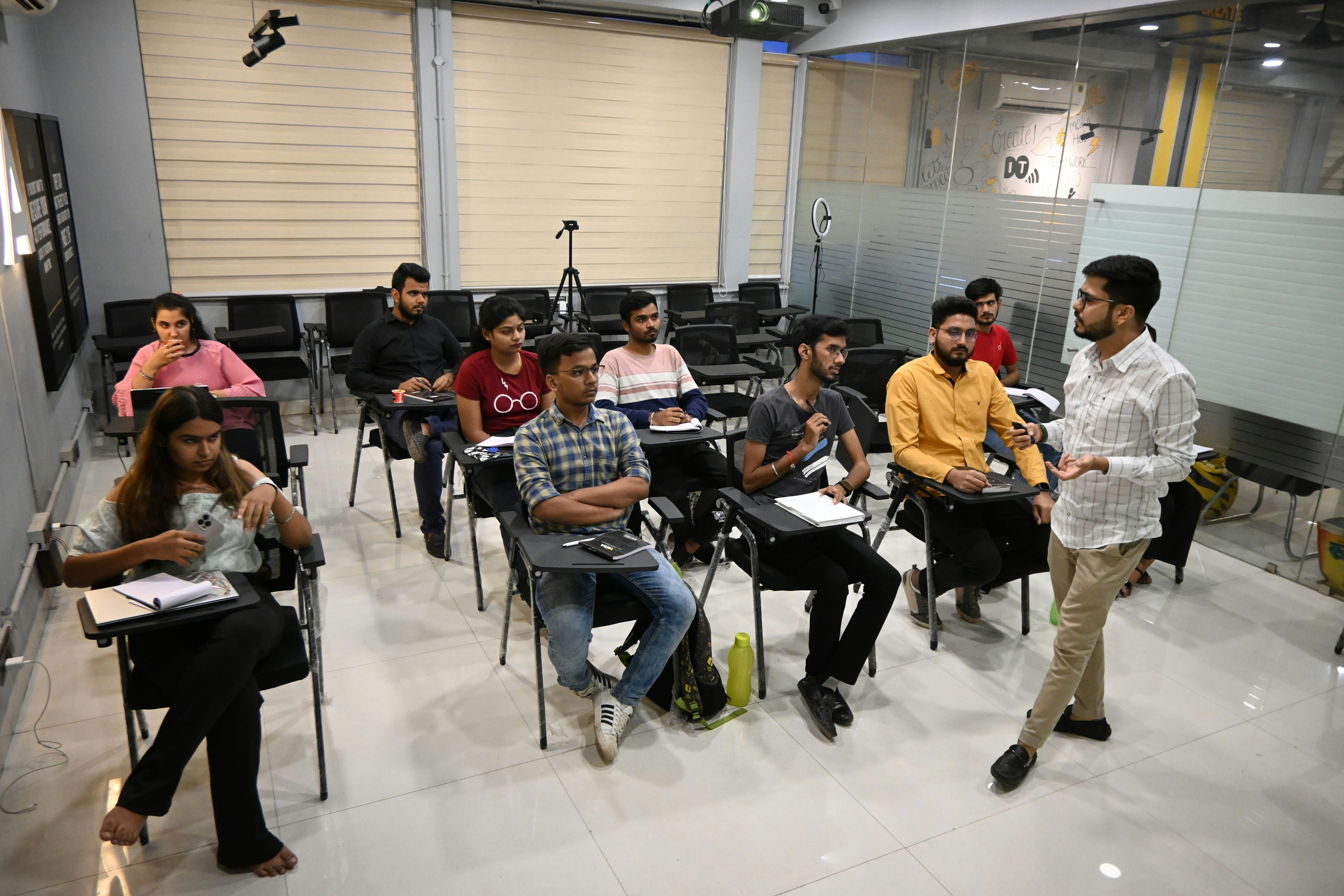
Effective teaching strategies in the Classroom 15x setting include differentiated instruction, project-based learning, and cooperative learning activities. Differentiated instruction allows teachers to modify content and processes according to student needs, ensuring that all learners are appropriately challenged. Project-based learning encourages students to engage in real-world problems, thereby enhancing their critical thinking skills and collaboration abilities. Cooperative learning further reinforces peer interactions, allowing students to share insights and learn from one another’s perspectives.
The environment in which this dynamic takes place is equally significant. A classroom designed to promote open dialogue, creativity, and risk-taking provides the necessary backdrop for this interaction. By harnessing these strategies within the Classroom 15x framework, educators can cultivate an inclusive and responsive learning ecosystem that benefits all participants.
Contemporary Relevance and Future Impact of Classroom 15x
The Classroom 15x model has emerged as a significant framework within the evolving landscape of education, reflecting the current trends of personalized learning and technology integration. In an age where individualized education is becoming increasingly vital, Classroom 15x offers a flexible approach that caters to the diverse needs of learners. This suitability is particularly salient as educators strive to design environments that facilitate learning at each student’s own pace, thereby enhancing engagement and outcomes.
Moreover, the model embraces the integration of technology in educational settings, which has become a cornerstone of contemporary teaching strategies. Classroom 15x encourages the use of digital tools and resources to augment the learning experience, facilitating access to a wealth of information and interactive platforms. This aligns seamlessly with the call for modern educational environments that prioritize technological literacy, preparing students for the demands of a digitally driven workforce.
The accessibility of the Classroom 15x model has resonated well within the educational community, resulting in a positive reception among educators and policymakers. Research indicates that the model’s emphasis on adaptability and flexibility is critical in addressing varying student needs while promoting inclusivity. Furthermore, its alignment with evidence-based practices strengthens its credibility in educational research, positing Classroom 15x as a viable option for schools aiming to implement progressive pedagogical approaches.
Looking ahead, the implications of Classroom 15x are profound. As education continues to evolve, we can anticipate increased focus on policies that uphold personalized learning frameworks. Educational institutions may find themselves encouraged to adopt similar models that promote both accessibility and technological integration. Consequently, Classroom 15x may serve not just as a teaching model but also as a pivotal influence on future educational policies, ensuring that the learning environment adapts to the challenges of a rapidly changing society.
In conclusion, the significance of Classroom 15x within today’s educational environment is evident. Its alignment with modern educational trends and its potential impact on future educational settings positions it as a vital model in the pursuit of effective, inclusive, and adaptable learning. The ongoing analysis of its effectiveness will be crucial as educators and institutions seek to provide high-quality education that meets the demands of contemporary learners.
FAQs about Classroom 15x
1. What is Classroom 15x and how does it differ from traditional classrooms?
Classroom 15x is a modern educational framework that emphasizes flexibility, technology integration, and active learning. Unlike traditional classrooms where teaching is largely lecture-based and teacher-centered, Classroom 15x promotes collaboration, personalized learning, and interactive engagement. It’s designed to adapt to diverse student needs and learning styles, making education more dynamic and effective.
2. What are the main features of the Classroom 15x model?
The Classroom 15x model includes flexible seating arrangements, technology-enhanced learning tools, and adaptable teaching strategies. It prioritizes project-based learning, student collaboration, and real-world problem-solving. These features collectively create a more immersive and participatory educational experience compared to conventional classroom designs.
3. How does technology play a role in the Classroom 15x framework?
Technology is at the core of Classroom 15x. It is used not only as a teaching aid but also as a means to empower students through digital collaboration, interactive platforms, and online resources. The integration of smart boards, digital content, and AI-based learning tools allows students to learn at their own pace while developing essential technological skills.
4. Why is Classroom 15x considered relevant in today’s educational system?
Classroom 15x aligns with modern pedagogical trends that emphasize personalized learning and inclusivity. As education shifts toward individualized and technology-driven models, Classroom 15x offers a scalable, adaptable approach that suits the needs of both students and teachers. Its relevance lies in its ability to prepare learners for the challenges of a digitally connected and rapidly changing world.
5. What is the potential future impact of Classroom 15x on education?
Classroom 15x is expected to influence future educational policies and school designs by setting a standard for flexibility and innovation in teaching. As institutions increasingly adopt learner-centered and technology-based models, Classroom 15x could serve as a foundational blueprint for 21st-century education, fostering environments that nurture creativity, critical thinking, and lifelong learning.