
The Spiritual Meaning of Marbles
The spiritual meaning of marbles transcends mere playfulness, inviting us to explore a realm where artistry, culture, and spirituality intertwine. Marbles are small, typically spherical objects made from glass, clay, or other materials, often associated with children’s games. However, their significance stretches far beyond the playground, finding relevance in various spiritual practices, artistic expressions, and cultural narratives throughout history. In many traditions, marbles symbolize balance, unity, and the interconnectedness of life.
Historically, marbles have appeared in different civilizations, often linked to rituals or symbolic gestures. For instance, ancient cultures, including the Romans and Egyptians, crafted decorative glass marbles that were not only toys but also items of trade and spiritual significance. These marbles often bore intricate designs, signifying their deeper cultural meanings and uses. In contemporary contexts, artists frequently utilize marbles as metaphors in artworks, emphasizing themes of fragility, wholeness, and the cyclical nature of existence.
The interpretations of marbles within spiritual practices extend further, where they are seen as tools for meditation or focus. Some belief systems associate specific colors or patterns with different energies or emotions, enhancing their significance during spiritual rituals. Similarly, marbles find symbolic representation in various religions, embodying concepts of purity, protection, and enlightenment. Moreover, in the realm of psychology and spirituality, marbles may be viewed as reflections of the inner self, encouraging introspection and personal growth.
This exploration will illuminate how marbles serve as conduits for deeper meanings and interpretations across various spheres of life. Understanding the spiritual significance of marbles invites individuals to appreciate their role not just as children’s toys, but as poignant symbols that resonate with our shared human experience.
Historical Context and Evolution of Marbles
Marbles, small spherical objects often made of glass, clay, or stone, have a rich historical background that dates back to ancient civilizations. The origins of marbles can be traced to around 5000 BC, where evidence suggests that they were made from polished stones or clay by ancient cultures such as those in Egypt and Mesopotamia. These early marbles were not solely toys; they held significant cultural and spiritual value, being used in various rituals and games, symbolizing the cycle of life and the universe.
As civilizations evolved, so did the design and use of marbles. In ancient Rome, intricate glass marbles became popular, often being used in games played by children and adults alike. Additionally, artifacts from this period depict marbles as part of spiritual and gambling practices, indicating their multifaceted role in society. The use of marbles as art pieces also emerged during the Renaissance, wherein glass-blowing techniques allowed artisans to create exquisitely detailed marbles that were prized as collectible items.
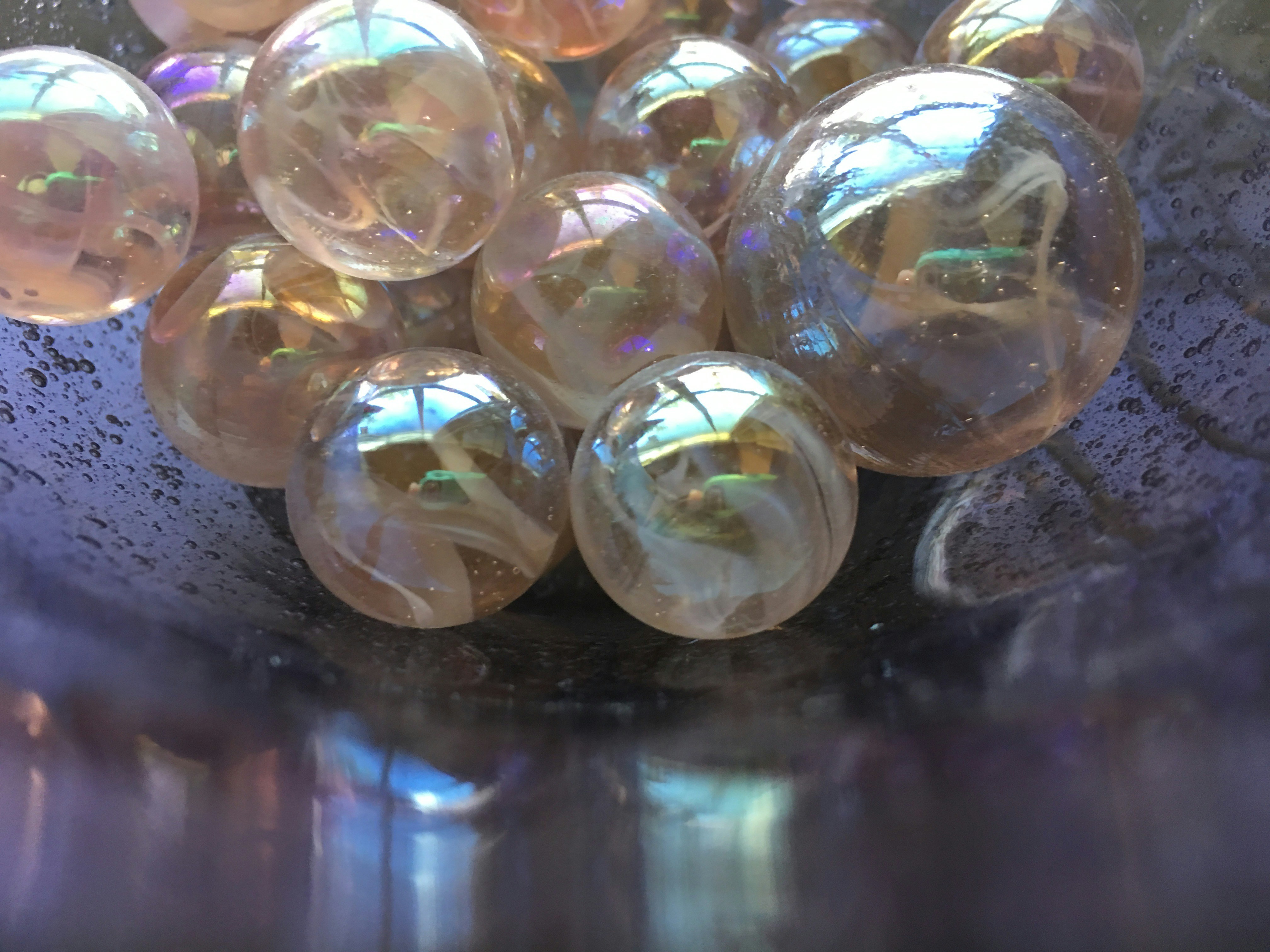
The significance of marbles transcended mere playthings; they often symbolized concepts such as balance, harmony, and the interconnectedness of life. In certain cultures, especially in the East, marble games were seen as a medium for fostering competition, much akin to other contemporary spiritual practices that emphasize balance between winning and losing. Furthermore, in the 19th century, marbles were crafted as educational tools for teaching arithmetic and science, showcasing yet another cultural adaptation of this versatile object.
Today, marbles have interest not only as recreational items but also as symbols of heritage and cultural identity. Their journey through history illustrates how a simple object can evolve to encompass varied meanings and significance, reflecting the values of societies throughout time. Marbles remain a testament to human creativity and spiritual expression, deeply rooted in the shared experiences of past generations.
Thematic Analysis and Character Exploration
Marbles have long been used as symbols in various cultural contexts, primarily relating to spirituality and the human experience. In folklore and mythology, marbles often represent innocence and playfulness, elements that resonate deeply with the spiritual journey of individuals. For instance, in several indigenous cultures, marbles made from natural materials are believed to embody the essence of childhood, symbolizing purity and joy. These spiritual connections reflect a collective understanding that life is a playful journey, and marbles serve as tangible reminders of this essential quality.
Furthermore, marbles have been associated with various characters often found in spiritual narratives. The playful spirit, typically represented by a child or trickster figure, frequently appears in stories that focus on life’s lessons and the importance of maintaining a sense of wonder. This character’s embodiment of spontaneity and curiosity fosters a deeper connection to the spiritual realm, urging individuals to explore their inner selves while embracing life’s uncertainties. Through the lens of spirituality, the act of playing with marbles becomes a metaphor for navigating the complexities of existence, reinforcing the notion that inner joy and exploration are critical components of spiritual growth.
In modern spiritual practices, marbles have emerged as tools for meditation and mindfulness. Their smooth, spherical shapes can symbolize wholeness and unity, inviting practitioners to reflect on their life’s path while remaining present in the moment. By integrating marbles into mindfulness exercises, individuals can cultivate feelings of serenity and focus, thus enriching their spiritual experiences. The diverse representations of marbles in cultural contexts ultimately reveal their multilayered significance; they serve as metaphors for life’s journey, encapsulating themes of innocence, exploration, and the essential nature of play within the broader framework of spirituality.
Contemporary Relevance and Future Impact
The significance of marbles in contemporary culture transcends their status as mere playthings, revealing a multifaceted approach to spirituality and creativity. Today, marbles are increasingly recognized not just for their aesthetic beauty but also for their educational value. They serve as tactile tools for teaching concepts in mathematics, physics, and art, enabling hands-on experiential learning that resonates with individuals of all ages. Moreover, their colorful designs and varied sizes foster an appreciation for visual arts, prompting discussions about style and creativity in both educational settings and personal projects.
In the realm of spiritual practices, marbles hold continued relevance. They are often incorporated into meditation and mindfulness exercises, where individuals find grounding and focus through the simple act of holding or rolling a marble in their hands. The reflective surfaces of marbles can symbolize introspection, encouraging practitioners to look within as they engage with these small objects. Additionally, marbles are used in various holistic therapies, where they can embody the principles of balance and harmony, further enriching modern spiritual experiences.
Looking toward the future, the spiritual significance of marbles is poised for a resurgence. As society increasingly values mindfulness and introspection, the use of marbles as symbols of peace and focus is likely to expand. Artists may continue to explore the thematic elements of marbles in their work, creating installations that provoke thought about their historical and spiritual meanings. Furthermore, the development of contemporary crafts may see innovative uses of marbles that could merge spirituality with artistic expression, paving the way for new interpretations. This enduring relationship highlights the adaptability of marbles, ensuring their place in both cultural and spiritual dialogues for years to come.
Frequently Asked Questions about the Spiritual Meaning of Marbles
Marbles have intrigued people for centuries, not only as objects of play but also as significant spiritual artifacts. Below are some frequently asked questions that delve into the spiritual meaning of marbles, offering insights into their historical context and contemporary relevance.
1. What is the spiritual meaning of marbles? The spiritual meaning of marbles is often associated with balance, mindfulness, and the interconnectedness of life. These small, spherical objects can symbolize unity and harmony within oneself, reflecting the importance of maintaining equilibrium amidst life’s challenges. Many believe that the various colors and patterns of marbles can represent different energies, affecting one’s emotional and spiritual state.
2. How have marbles been used historically in spiritual practices? Historically, marbles have been utilized in various cultures for spiritual ceremonies and rituals. In ancient times, marbles, often crafted from different materials, were believed to possess specific powers and were used as talismans or amulets. They served as tools for meditation and focus, helping individuals connect with spiritual realms and enhance their energies during practices.
3. Are there specific colors of marbles that hold different meanings? Yes, the colors of marbles hold diverse spiritual meanings. For instance, a blue marble might symbolize tranquility and healing, while a red marble could represent passion and vitality. Green marbles often signify growth and rebirth, reflecting the life cycle and the importance of nurturing one’s spiritual journey. Understanding these associations can enhance one’s experience and connection with marbles on a deeper level.
4. How can marbles be incorporated into modern spiritual practices? Marbles can be seamlessly integrated into modern spiritual practices through meditation, visualization, and even as decorative items in sacred spaces. Using marbles during meditation can help focus and ground energies, allowing individuals to anchor their thoughts and connect more deeply with themselves. Additionally, they can serve as conversation starters or focal points in workshops that explore spirituality and creativity.
5. What contemporary significance do marbles hold in spirituality? In contemporary spirituality, marbles serve as reminders to embrace simplicity, playfulness, and mindful living. Their aesthetic appeal and tactile nature encourage individuals to explore their present experience while promoting a sense of joy. As people increasingly seek grounding practices, the spiritual meaning of marbles resonates as a source of inspiration and reflection in navigating the complexities of modern life.